
Deciding to play
What I tell myself before a tournament

I played a local FIDE-rated tournament over the weekend and as the top seed, managed to win with 6/6. Never easy, I was in objectively lost positions in three games.
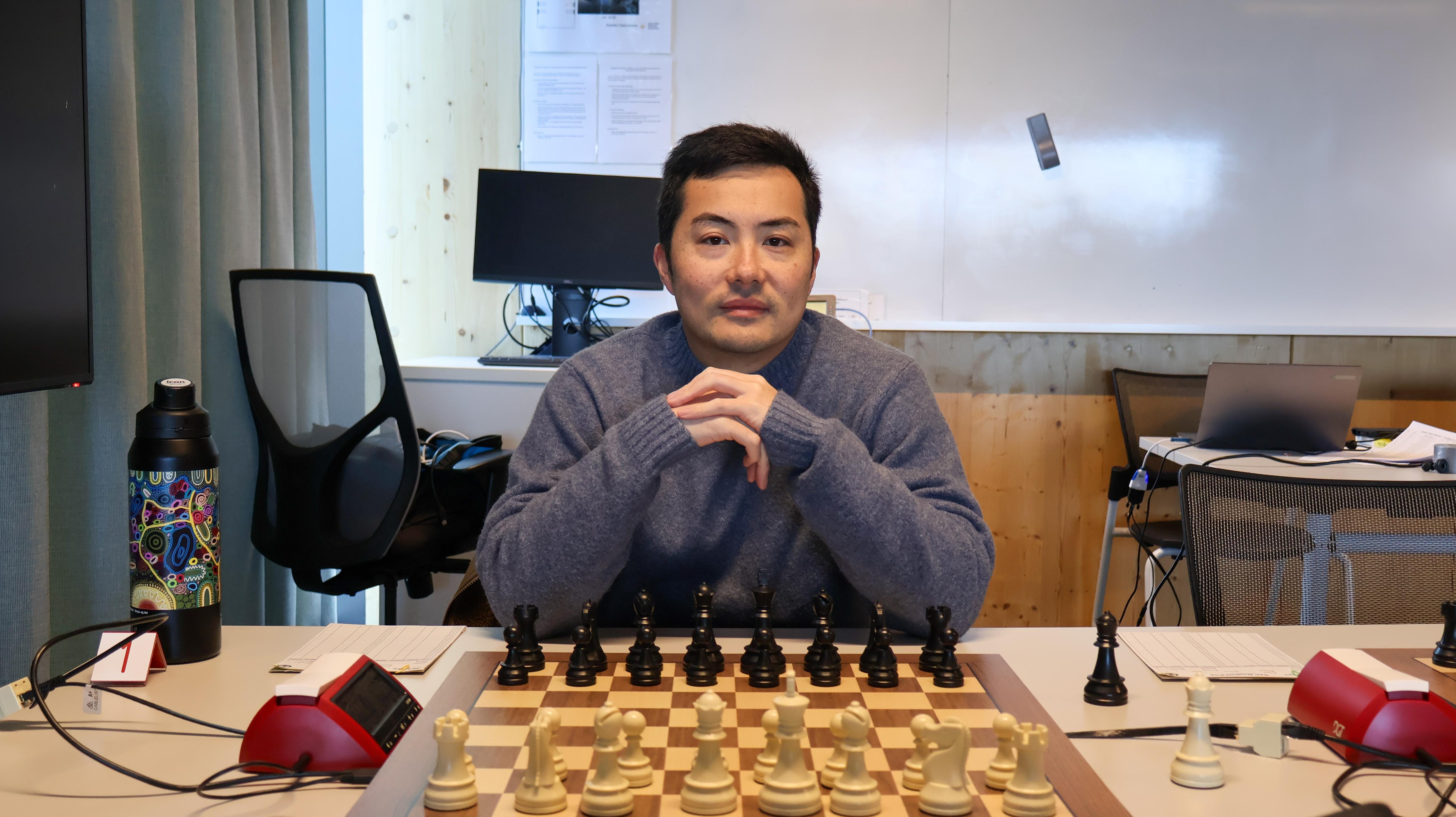
Like a traveller who comes home after going around the world, after an OTB tournament I’m bursting with ideas to write about and in this one I’ll talk about what happened before the tournament.

The decision
The ‘hey, it’s ok’ mindset
Going into the event, knowing I may not be at my sharpest made me think this:
‘hey, I might make some game-losing mistakes, and that’s ok. Let’s just focus on playing my best on every move’.
For me, this helps as a sort of mantra. Whether you’ve been working hard on your chess or not, when you commit to an OTB tournament, of course a part of you (or for some people, your whole being) hopes you’ll do well and if it goes badly, you get upset.
But chess is a zero-sum game which doesn’t owe you anything, and you need to be realistic in your expectations. Or perhaps you shouldn’t even have expectations and just focus on the chess. When I look back on tournaments I’ve been happy with, including my best ones, it’s more of the latter for me - just happy to be there to play chess and not thinking about how I should be doing or what I’m trying to get out of it.
(N.B. for most of my chess life I was motivated by results/ratings/doing well, and I’d be crushed when I had a bad game or tournament - that approach can keep you hungry and bring you competitive success. It’s just that for me, after 25 years and when playing chess isn’t the only big thing in life any more it wasn’t healthy or sustainable. Maybe you reading this, are grinding with that mindset and I know it can be hard to imagine that there’s any other way.)
Acknowledging that you’re going to make mistakes and potentially lose, even if you play your best, takes some pressure off whether you’re the top seed or bottom seed. It’s not necessarily a mechanism for defending yourself in advance from painful losses, ‘unlucky’ results or having excuses ready. It’s being objective and accepting that chess is a hard game and it takes a lot of time and tournaments over months and years to know more about yourself and your chess. And there will be many painful losses and tournaments, but you’ll keep learning and adjusting with each one.
Hey, it really is ok
When you have this kind of approach, you have more belief in yourself in the critical moments of a game, or when the pressure gets heavier. It makes it easier to focus on the moves you play, which are in your control. You’ve already accepted that the moves you play, thinking they’re the best, might be bad. So when the going gets tough, you don’t have those fears and anxieties of
‘Is this move really ok?’
‘Are people going to see me as a weak player?’
‘Am I going to be embarrassed?’
bubbling up because you’ve already internalised that mistakes are normal, you can’t avoid them and you’ll learn from them.
I’ve found over many years of playing that you feel a lot more stable when you see luck in chess as something you can’t force. But what you can do is give yourself the best chances to get lucky more often by focusing on each move and playing your best, whether you’re in a winning or losing position. To have a part of yourself detached from the emotional part of the game or the results so you can look at what’s really happening, objectively.
Managing the pressure
Handling pressure and finding a way that lets you feel calmer about competition doesn’t come easily, and a lot of it comes from experience. Throughout my junior years and 20s, I struggled with this in many tournaments and would often fall apart after a bad start to a tournament or after one bad loss. Examples:
Australian Juniors U/12 Open 2003: co-lead after 8 rounds, lose the last 3
HD Bank Open, Vietnam 2012: -60 FIDE scoring 3/9 as a 2373-rated FM, Perf 1924
First Saturday GM Round Robin, Hungary July 2017: 2/9 including 4 straight losses
Doeberl Cup 2023: -30 FIDE (with K=10) losing to 3 lower rated players etc. etc…
One change that’s helped me mentally in the two tournaments this year is internalising a few things over the last year: that I’m not young any more, I have other things that I value as much as playing chess now, I honestly have a lot of regrets of not facing my fears and weaknesses as a player when I was a younger so now, I just want to focus on facing those things and seeing how my chess develops; while just feeling lucky that I have a game like chess that I can still love and enjoy after all these years.
The real goal
It’s nice to win of course, but a bit like Daigo Umehara I quoted in this post:

Now I feel like just focusing on a game 100% and enjoying it, facing my fears in a way I couldn’t in the past, brings me joy and feels more meaningful than winning a tournament. I was in lost positions in half the games in this one, so I had some luck too.
But it did take me 25 years of playing tournaments to get here, to have the confidence to face my fears before feeling ready, because you never will feel completely ready for the challenges that really matter. Finding this confidence over the last year~year-and-a-half has done a lot for me and my chess. I wanted to help other players with that too, so building confidence is one of the habits in my 10-Habit Chess Improvement System.
In the next post, I’ll talk about the two goals I had for this tournament and how they went.
What do you struggle with on the mental side of tournaments or competition, and what do you think would help you overcome it over time?
My life has been a balancing act between the hope of being a wonder, and the fear that I was a fool.
—Jan Kjaerstad, The Discoverer (The Seducer #3)
For whatever reason, watching more top GM games helped me a lot with maintaining mental balance in tournaments. I used to lose a bad game and want to withdraw from the tournament - and I often did. Then I watched the top guys lose and they just pick themselves up and beat the hell out of someone the next game like the loss didn't happen. And I realized you don't have to let the loss consume you, you can just go back to, as you wrote here, enjoying the act of playing chess.
Thank you for this piece. I was actually one of the people playing the tournament, and despite the fact I got nowhere near your board I had lots of fun. I saw your game against the kid in round 2, very fun game!